
If you’ve been searching for an orthodontist who actually knows your name, you’ve probably noticed the choices feel pretty similar on the surface. So what should set one practice apart from the next? The short answer: one doctor, one location, same-day starts, and a family-owned approach that treats your smile like it matters, because it does.
Below, you’ll find a clear look at how a patient-first practice works, who it helps, and why these qualities matter when families pick an orthodontist for the long haul.
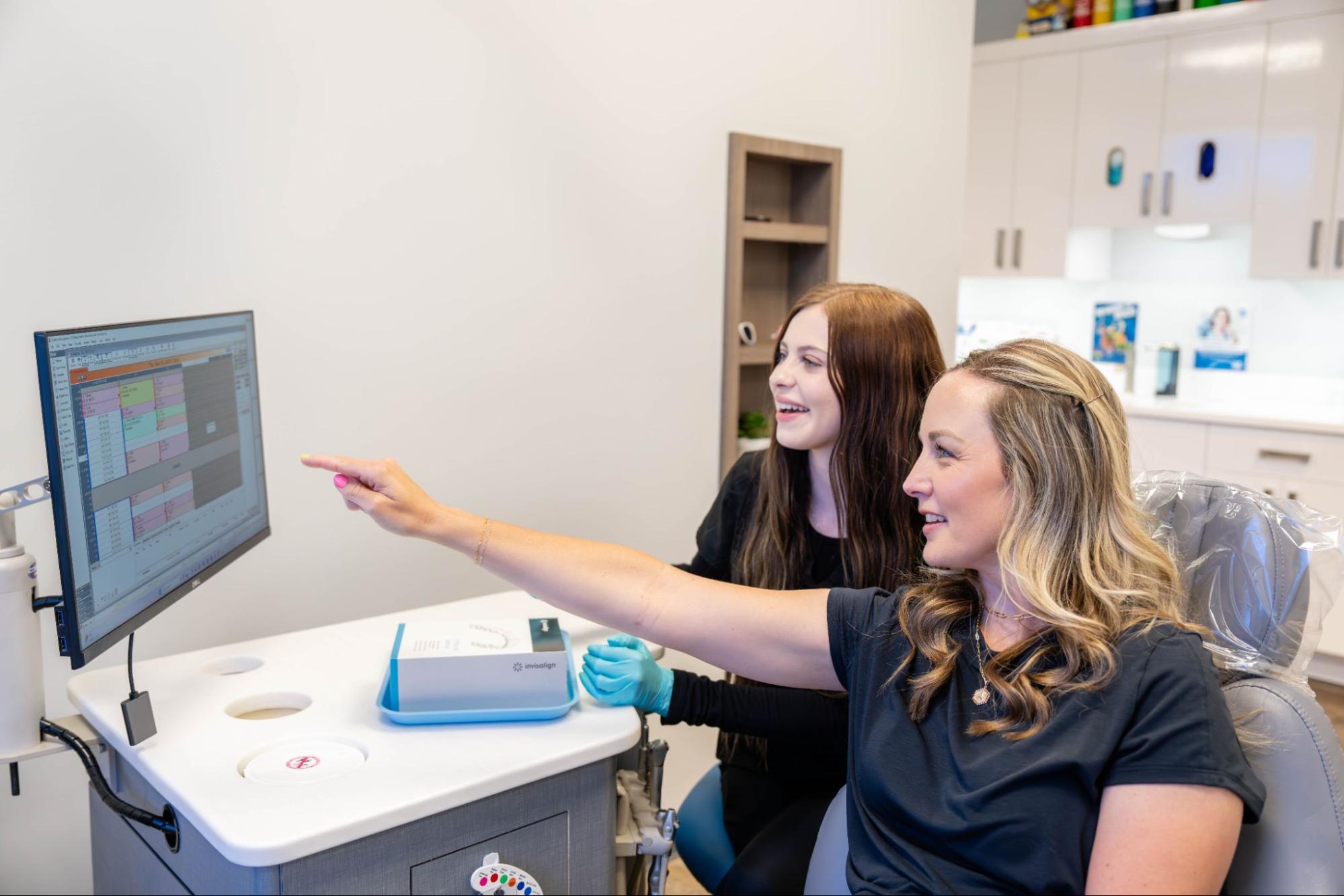
What Makes a Family-Owned Orthodontic Practice Different?
A family-owned orthodontic practice is one built and run by a single provider (and often a spouse or close family member) rather than being part of a multi-office chain. These practices tend to serve kids, teens, and adults with Invisalign, metal braces, and clear braces, all under the care of one trusted provider.
When one doctor sees everyone from age 7 through 90, your whole family can get care in the same friendly spot. The best offices are designed with calm in mind: warm lighting, modern finishes, and private treatment suites instead of a crowded open bay. You get real one-on-one attention, not an assembly line.
Here’s what tends to define this kind of practice:
- Family-owned, built from the ground up by the people who run it
- Full-service orthodontic care in a single location
- Ages 7 to 90, with a patient-first philosophy at every visit
- Three main treatment paths: Invisalign, metal braces, and clear braces
- Private suites for a quieter, more personal visit
How a Patient-First Orthodontic Experience Works
A great orthodontic experience starts with a free consult, often available the same day you call. Your orthodontist performs a thorough exam, talks through your options in plain language, and (if you’re ready) can place braces or scan for Invisalign right then. No bouncing between visits just to get started.
Here’s what the typical path looks like:
- Call or book online for your free consult. In many cases, you can get in that same afternoon.
- Meet your orthodontist for a complete exam using digital photos, 3D scans, and low-dose X-rays.
- Review your plan. Your orthodontist walks you through what’s happening in your mouth and which treatment makes sense: metal braces, clear braces, or Invisalign.
- Start the same day, if you want. Same-day braces placement and Invisalign digital scans are available for most new patients at practices set up this way.
- Settle into a routine. Visits usually land every 4-8 weeks, scheduled around school, work, and sports.
- Track your progress with modern imaging so you can actually see your smile shift over time.
Every visit happens in a private treatment suite, so conversations stay personal and your time stays yours. A well-run team keeps scheduling flexible on purpose, with early and later options that fit real family calendars. You’ll see the same faces every visit, which makes the whole thing feel less like a clinic and more like dropping in on friends who happen to be really good at straightening teeth.
Key Benefits That Set a Practice Apart
So, what actually makes one orthodontic practice different from the next sign you drive past? It comes down to a handful of specific things worth looking for.
Which Features Save You the Most Time?
- Same-day consults and treatment starts. You don’t need three visits before anything happens. In many cases, families walk out with braces on or an Invisalign plan locked in the same day they walk in.
- Private treatment suites. No open-bay setup where everyone hears everyone. You get a quiet, private room where your orthodontist can actually talk with you.
- Free consultations, no strings. The first visit should be complimentary. You leave with a real plan, whether you start there or not.
What Credentials and Care Model Should You Look For?
- Advanced training. Orthodontists with graduate research credentials and specialty residency awards bring extra depth to treatment planning, especially for tricky bite cases.
- Family-owned and here for the long haul. When an orthodontist lives in the same town, raises kids there, and plans to be there for decades, that changes how a practice treats people. You’re a neighbor, not a chart number.
- One doctor, one location. You see the same orthodontist every visit. No rotating providers, no “whoever’s on today.”
- Experienced Invisalign provider status, which reflects consistent experience with clear aligner cases of all complexities.
Add it all up and you get a practice that’s genuinely built around the person in the chair, not around volume. That’s the piece most families mention when they tell friends about an office they love.
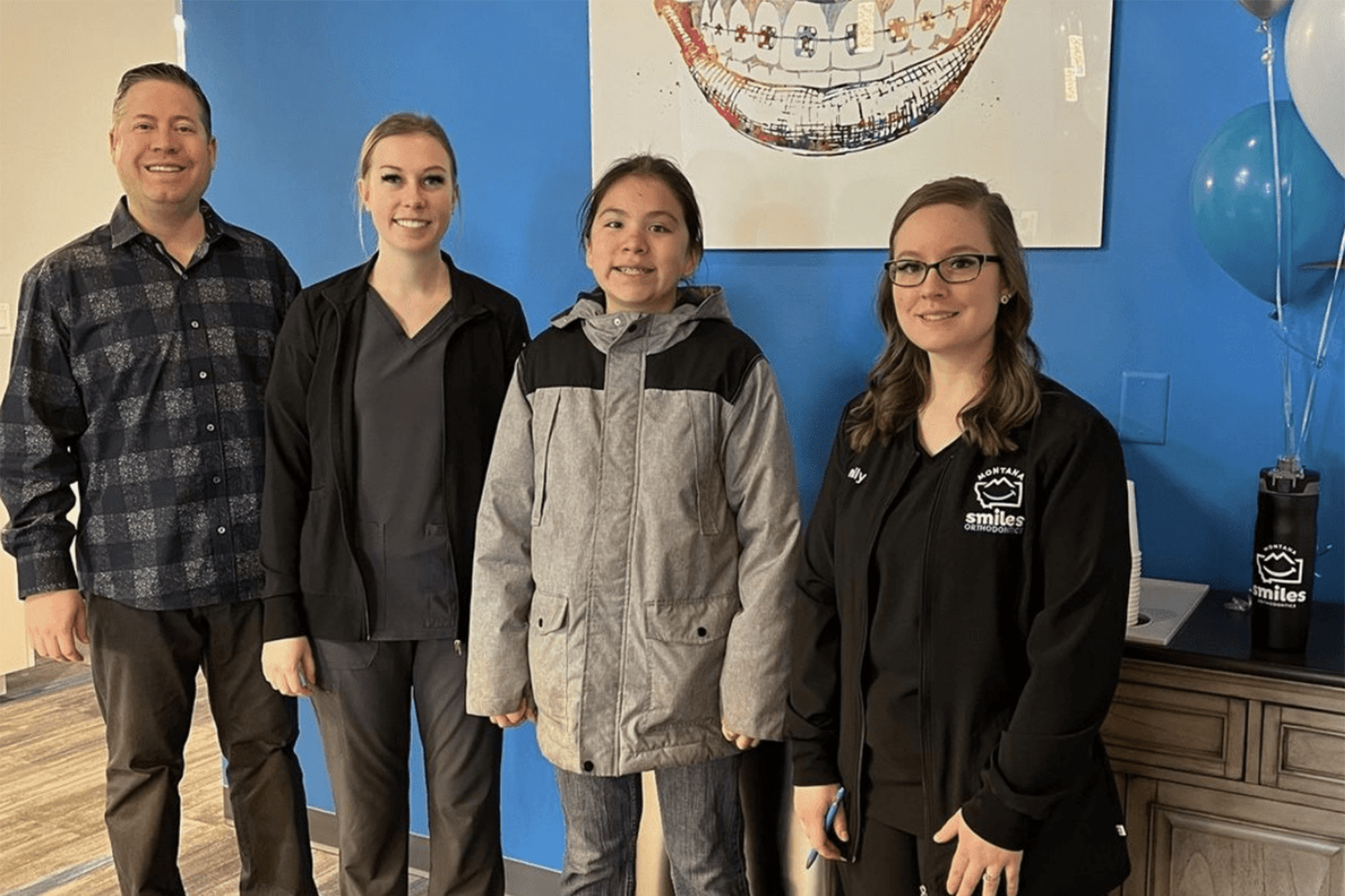
Family-Owned vs. a Typical Orthodontic Office
If you’ve been to a larger chain or an older office setup, the differences stand out quickly. Here’s a side-by-side look at how a modern, family-owned model compares.
| Feature | Family-Owned Practice | Typical Orthodontic Office |
|---|---|---|
| First visit speed | Same-day consult, often same-day start | 2-4 weeks to get in, start weeks later |
| Treatment area | Private suites | Open bay with multiple chairs |
| Ownership | Family-owned by the treating doctor | Often part of a multi-office chain |
| Who treats you | Same doctor at every visit | Rotating providers or associates |
| Age range | 7 to 90, all in one place | May refer kids or adults elsewhere |
| Equipment sourcing | Local and American-made whenever possible | Varies widely, often lowest-bid supply |
| Technology | 3D treatment planning, digital scans and X-rays | Mixed, sometimes older setups |
The practical takeaway: with a modern, family-owned practice, you spend less time waiting, less time wondering who’s treating you, and more time actually moving toward a straighter smile. That’s the point.
Who Is a Good Candidate for Orthodontic Care?
Orthodontics isn’t just for middle schoolers anymore. A full-service orthodontic practice treats a wide age range, which means almost anyone with a smile concern can get help.
Good candidates include:
- Children starting at age 7, the age the American Association of Orthodontists (AAO) recommends for a first evaluation. Early checks catch bite issues while jaws are still growing.
- Teens needing metal braces, clear braces, or Invisalign for crowding, spacing, or bite concerns.
- Adults up to age 90 who want a straighter smile, whether they skipped braces as a kid or want to refresh their smile from decades ago.
- Anyone with crowding, gaps, overbite, underbite, open bite, or crossbite.
- People with bite issues that affect chewing, speech, or jaw comfort.
- Those wanting a confidence boost, from a wedding coming up to just feeling better in photos.
If you’re not sure whether you’re a candidate, that’s exactly what a free consult is for. A good orthodontist will tell you honestly whether treatment makes sense, what it would involve, and what the timeline looks like.

Frequently Asked Questions
What ages do orthodontists typically treat?
Many orthodontists treat ages 7 to 90. That covers early evaluations for kids, braces and Invisalign for teens, and adult orthodontics for anyone wanting a straighter smile later in life. Having one practice for the whole family keeps scheduling and records simple.
Can I start treatment the same day as my consult?
Yes, often. At practices with the right setup, many new patients get their braces placed or complete their Invisalign digital scans the same day they come in for the free consult. If you’re ready and your case is a good fit, your orthodontist can get you started without a second visit.
Are orthodontic consultations usually free?
At many modern practices, yes. A complimentary initial consult should include a full exam and a treatment recommendation. There’s typically no obligation to start treatment.
What orthodontic issues can be corrected?
Orthodontists treat a wide range of concerns: crowding, spacing and gaps, overbites, underbites, crossbites, open bites, and general bite misalignment. They use metal braces, clear braces, and Invisalign depending on what fits each case and lifestyle best. Complex cases are welcome at practices with advanced training in bite correction.
How often will I come in for visits?
Most patients visit every 4-8 weeks during active treatment. The exact rhythm depends on your treatment type and how your teeth are responding. A good team schedules around school, work, and sports whenever possible.
Does the same orthodontist treat me at every visit?
At single-doctor practices, yes. One doctor, one location means the same orthodontist sees you at every visit, from your first consult through your final retainer check. That continuity is a big part of why families stay with a practice for years.
Choosing an orthodontist is a long-term decision, so it’s worth looking for a practice that offers free consults, same-day starts, private suites, and a single doctor who sees you every visit. Those small details add up to a smoother experience and a smile you’ll be proud of for life.